
Blog
11 Field Verification After the Fact Mistakes in Florida
Avoid 11 costly mistakes with field verification after the fact in Florida. Learn what AHJs require and how to legalize completed work.
Key Takeaways
-
Field verification after the fact has no statewide checklist in Florida; each city or county building department (the AHJ) sets its own documentation, inspection, and fee requirements, so get them directly from the controlling office.
-
Confirm the controlling jurisdiction first, since mailing addresses can mislead, and check the property's permit history and any open code-enforcement case before hiring anyone.
-
A site visit or engineer letter does not replace required plans, sealed documents, or inspections; the AHJ decides what evidence is acceptable.
-
Expect that concealed structural, electrical, plumbing, or mechanical work may require opening walls or ceilings, so gather construction photos, invoices, product approvals, and contractor license info early.
-
As-built drawings must reflect what was actually constructed, not what was planned, since reviewers quickly reject mismatched dimensions.
-
Start early when selling or buying: unpermitted work found near closing can trigger lender, appraiser, or title holds that delay or derail the sale.
So you finished a project, and now someone has told you it was never permitted. Take a breath. It happens to Florida homeowners, investors, and even seasoned contractors more often than you would think, and it is usually fixable. If you are looking for field verification after the fact in Florida, you are already on the right track, because that step is how many local building departments document what was actually built before deciding what comes next.
Here is the catch: field verification is not one neat statewide process. Each city or county building department sets its own rules, and a small misstep can cost you weeks, extra fees, or a surprise demand to open up finished walls. We have seen the same avoidable errors again and again, so we pulled them together for you.
Whether you are a general contractor cleaning up a past job, a solar company fixing an old install, a realtor staring at a closing deadline, or a homeowner who inherited someone else's shortcuts, this friendly guide walks you through the 11 mistakes to dodge. Let's get you moving in the right direction.
What Field Verification After the Fact Actually Means
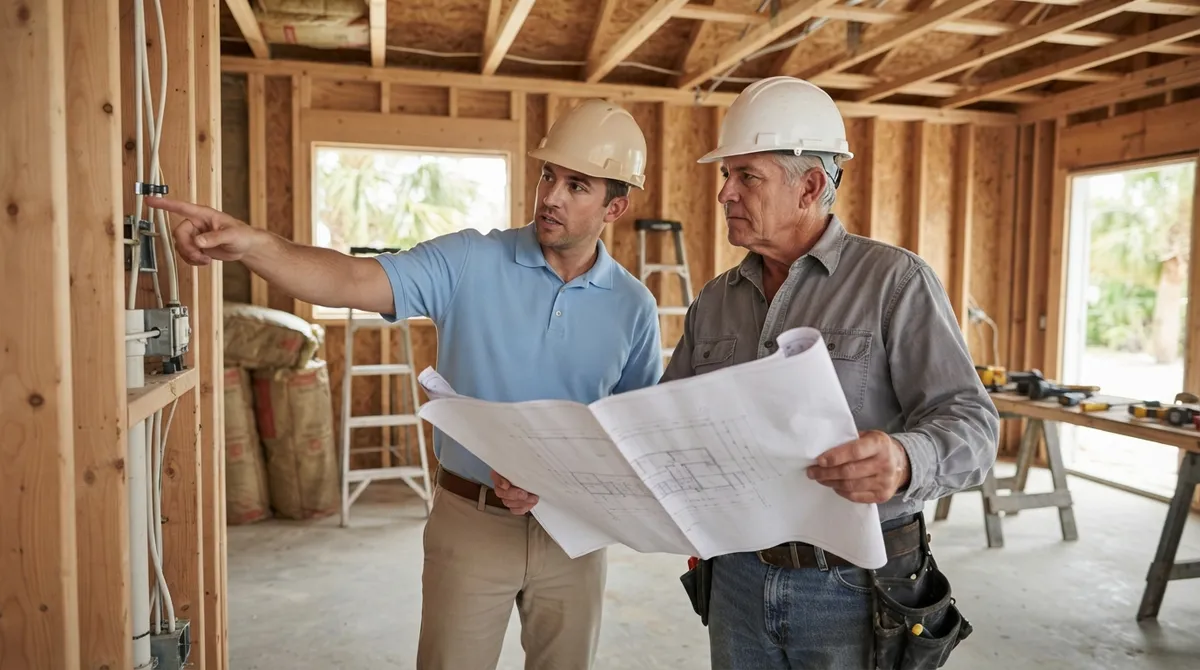
In Florida permitting, "field verification after the fact" generally means documenting and evaluating work that was already completed without a required permit. It is not a single permit, and it is not an automatic approval. Think of it as the evidence-gathering phase of an after-the-fact permitting process.
Field verification typically records existing conditions through measurements, photographs, and as-built drawings that show what was truly constructed. The local building department, also called the authority having jurisdiction (AHJ), decides what is acceptable. If you want the bigger picture, our guide on what field verification is for after-the-fact permits in FL covers the basics.
| Term | What It Means | Who Decides |
|---|---|---|
| Field verification | Documenting existing conditions of completed work | Local AHJ sets requirements |
| As-built drawings | Plans showing what was actually built | AHJ and sometimes the design professional |
| After-the-fact permit | Permit applied for once work is already done | Local building department |
| Engineer letter | Professional evaluation of the work | AHJ decides if it is sufficient |
Mistake 1: Assuming There Is One Statewide Checklist
Many people search for a single Florida form or fee schedule. It does not exist. The local building department decides what as-built documentation, professional reports, inspections, and corrections are required.
That means a process that sailed through in one county may look completely different in the next. Always get the current checklist directly from the department that controls your property. If you need help figuring that out, try our building department lookup tool.
Mistake 2: Not Confirming the Right Jurisdiction First
This one trips up a lot of people near city limits. Your mailing address may say one city while the parcel actually sits in unincorporated county land, or the reverse. Filing with the wrong department wastes time and money.
Before you do anything else, confirm whether the city or county has jurisdiction, then check the property's permit history and any code-enforcement case. Our article on which Florida jurisdiction reviews my project walks through how to sort this out. You can also run an open permit search to see what is already on record.
Mistake 3: Skipping the Permit History and Code Enforcement Check
Imagine finishing a full documentation package only to learn there is an open code case that changes your entire path. It is a gut punch, and it is preventable.
Check for these before you hire anyone:
- Open or expired permits tied to the address
- Prior notices of violation or stop work orders
- Previous owner permits that were never closed out
- Any liens or fines connected to the case
If a notice has already landed in your mailbox, our guide on what to do about a Florida code enforcement notice is a good first read.
Mistake 4: Treating a Site Visit as the Finish Line
Here is where optimism can get you into trouble. A site visit or an engineer's report does not automatically replace a required building inspection, and it does not guarantee permit approval. The AHJ determines what evidence is acceptable and whether inspections, sealed plans, or additional documentation are still needed.
Think of field verification as one important chapter, not the whole book. Our team explains this in detail in what happens during a Florida ATF site inspection.
Mistake 5: Assuming an Engineer Letter Replaces Plans or Inspections
An engineer letter can be powerful, but it is not a magic substitute. A field-verification letter should not be assumed to stand in for plans or inspections. Depending on your scope and the applicable code, the AHJ may require documents prepared or sealed by a Florida-licensed architect or engineer.
Learn more about when these letters help in how to use an engineer letter to save your permit, and explore our engineer letter services if you need one sealed in house.
Mistake 6: Hiding Concealed Work and Hoping Nobody Asks
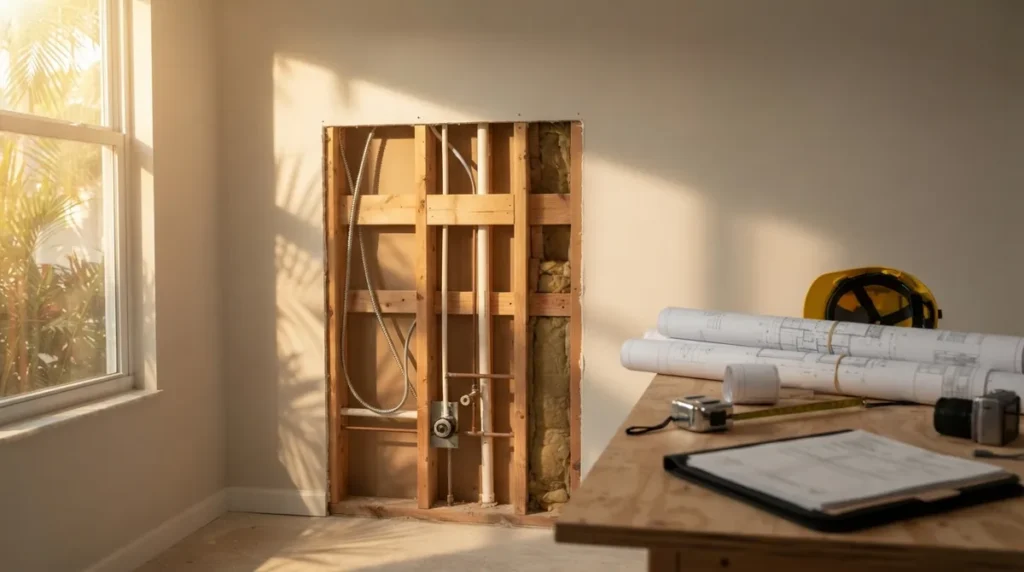
If structural, electrical, plumbing, or mechanical work is hidden behind drywall or above ceilings, the AHJ may require selective opening of walls, ceilings, or finishes so inspectors can verify it. Trying to dodge this usually backfires.
Construction photos, receipts, and other records can help document concealed work, but whether they are enough is a local determination. Gather everything you can find, including:
- Photos taken during construction
- Invoices and material receipts
- Product approvals for windows, roofing, or doors
- Contractor names and license information
- Any earlier drawings or surveys
Mistake 7: Submitting Sloppy As-Built Drawings
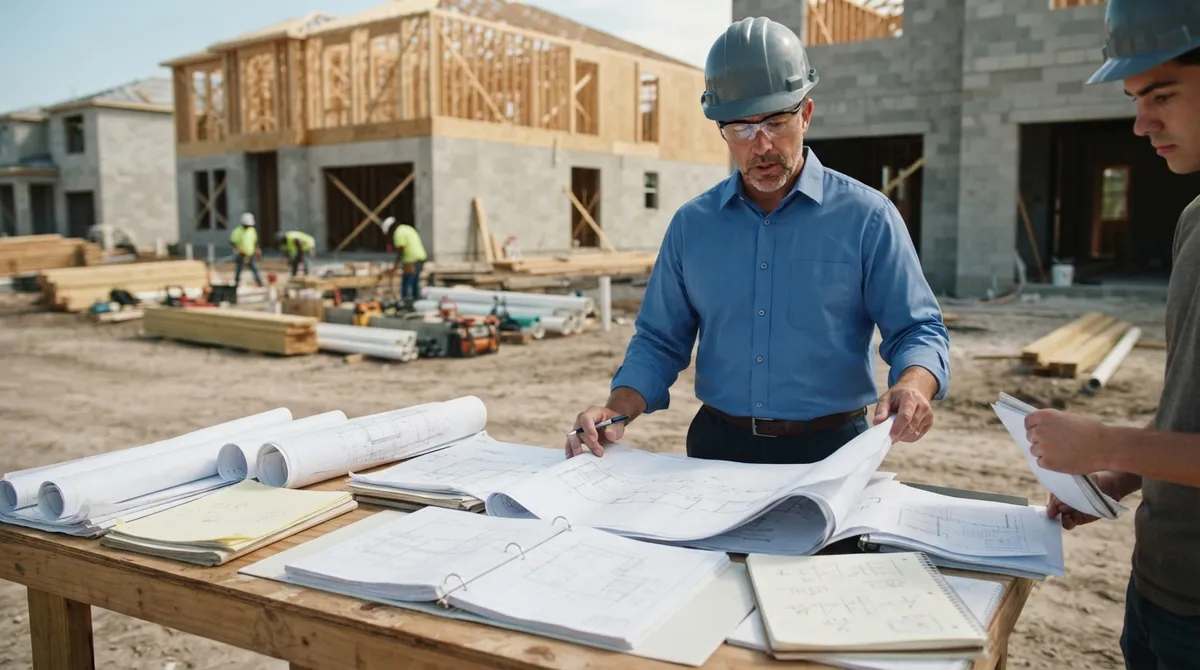
Your as-builts should reflect what was actually constructed, not what was planned or what you wish had been done. Reviewers notice mismatched dimensions fast, and a rejected set sends you back to square one.
Good as-builts rely on careful measurements, clear photos, and accurate notes. Our as-built drawings service and the article on preparing as-builts for an after-the-fact permit in FL show what a clean package looks like.
Mistake 8: Ignoring Code Deficiencies Found During Review
If review or inspection reveals code deficiencies, the work may need correction before the permit can be approved or closed. Some local guidance states that noncompliant work must be brought into compliance or removed. Outcomes depend on the project and the jurisdiction.
The good news is that deficiencies are often fixable. If you have received a rejection, read why was my building permit rejected and consider our revisions and resubmittals support. Florida Statutes section 553.79 also requires a local agency that denies or revokes a permit for Florida Building Code noncompliance to identify the specific project features and the applicable code chapters and sections, so ask for that detail in writing.
Mistake 9: Guessing at Costs Instead of Asking the AHJ
People often ask, "How much will this cost?" The honest answer is that it depends on the jurisdiction, the scope, and what the review finds. Fee schedules differ, and the cost of professional documentation, corrections, and re-inspections adds up on top of permit fees.
| Cost Category | What Drives It |
|---|---|
| Permit and after-the-fact fees | Local fee schedule and project value |
| Drawings and engineering | Scope, complexity, sealing requirements |
| Opening concealed work | Walls, ceilings, and finish repair |
| Corrections and re-inspection | What deficiencies review uncovers |
Get the current fee schedule straight from the AHJ, then read after the fact permit Florida cost to plan your budget realistically.
Mistake 10: Waiting Until the Closing Table
Realtors and investors, this one is for you. Discovering unpermitted work days before closing creates stress for everyone. Lenders, appraisers, and title companies can all raise flags, and a permit hold can delay or derail a sale.
Start early. Our guide on how to clear a permit hold before closing and our realtor closing support can help you keep a deal alive. If the clock is already ticking, our urgent permit rescue team can step in.
Mistake 11: Going It Alone When Professional Help Would Save Time
You can absolutely handle parts of this yourself, but after-the-fact permitting is full of judgment calls. Which documents does the AHJ want? Does your scope need sealed plans? Will inspectors require destructive testing? Guessing wrong costs weeks.
A permitting partner who knows Florida jurisdictions can coordinate the whole thing. At 1 Contractor Solutions, we act as your outsourced permitting department. We confirm the controlling jurisdiction, prepare drawings with our in-house drafting and engineering team, file the application, and work every reviewer comment through approval. See our after-the-fact and expired permit services for details.
Curious how the same-day-response process feels from the customer side? You can see what our 1 Contractor Solutions customers say on Google.
A Simple Roadmap for Field Verification After the Fact
Here is a friendly step-by-step path you can follow:
- Confirm jurisdiction. Identify whether the city or county controls your parcel.
- Research the property. Check permit history and any code case.
- Get the AHJ checklist. Request current requirements and fee schedule directly.
- Document existing conditions. Measure, photograph, and prepare as-built drawings.
- Gather supporting records. Collect invoices, product approvals, and contractor information.
- Engage a licensed professional if required. Use a Florida-licensed architect or engineer when the scope calls for it.
- Submit and respond. File the application and answer reviewer comments promptly.
- Complete inspections and corrections. Open concealed work and fix deficiencies as directed.
Want a deeper walkthrough of the application itself? Our article on the after-the-fact permit application in Florida is a great companion read.
How Each Audience Can Use This
- General contractors: Keep clean construction photos and records on every job, and read our page for general contractors.
- Solar companies: Pair documentation with code-compliant structural and electrical details, as outlined for solar contractors.
- Realtors and investors: Research permits before you list or buy, then plan for fixes.
- Homeowners: Do not panic, and start with the homeowner resources we have prepared.
You can also stay connected and follow us on LinkedIn or follow us on Facebook for fresh Florida permitting tips. For the legal backbone, review the state's building permit enforcement language in Florida Statutes section 553.79.
Ready to Move Forward With Confidence?
Field verification after the fact does not have to feel overwhelming. The biggest wins come from confirming your jurisdiction early, documenting honestly, respecting what the AHJ requires, and bringing in help where the scope demands it. Dodge the 11 mistakes above, and you will save time, money, and plenty of stress.
If you would rather hand the heavy lifting to a team that handles this daily across all 67 Florida counties, we would love to help. Get a free quote and let us tell you which jurisdiction controls your project and what it will take to get it permitted and closed out.
FAQs
What does field verification after the fact mean for a Florida building permit?
It generally means documenting and evaluating work that was already completed without a required permit. It is not a single statewide approval, because your local building department decides what documentation, inspections, and fees apply.
Can an engineer's field-verification letter replace an inspection or permit?
Not on its own, friend. A letter can be a very helpful piece of the puzzle, but the local building department decides whether inspections, sealed plans, or extra documentation are still required.
Will I have to open walls or ceilings to verify unpermitted work?
Possibly. If structural, electrical, plumbing, or mechanical work is concealed, the building department may require selective opening so inspectors can verify it. Construction photos and records may help, but whether they are enough is a local decision.
What happens if an inspector finds code violations in completed work?
The work may need to be corrected before the permit can be approved or closed. Some jurisdictions require noncompliant work to be brought up to code or removed, and the outcome depends on your specific project and location.
How do I find the correct Florida building department for my property?
Start by confirming whether your parcel falls under a city or the county, since mailing addresses can be misleading. A building department lookup tool or a quick call to the county can point you to the right authority before you spend time on paperwork.
We do this work every day across all 67 Florida counties. Call (866) 314-6931 and we will tell you what your situation actually requires — including when you do not need us.
Related services
Permit Facilitation & Filing
You have a crew scheduled, a client asking for dates, and a permit sitting somewhere in a queue you cannot see. We file it, w…
See the servicePlan Review Coordination
A permit in plan review is not one queue. On a commercial project it can be six queues, each with its own reviewer, its own c…
See the serviceReady to get your permit moving?
One call tells you which jurisdiction controls your project, what it will take, and what it will cost. Most of the time we can scope it on the phone.